Artificial intelligence has quietly moved from science fiction into your pocket. It unlocks your phone, plans your commute, picks your next show and flags suspicious payments, often before you notice. The same technology is now reshaping how websites, apps and brand experiences are designed.
In this guide, we explain how AI is helping in our daily life, then show how AI in web design is changing every medium: websites, mobile apps, e-commerce, social media, graphics, video, email, SEO, chatbots and print. You’ll also learn what it means for your business and how to use it wisely.
Key Takeaways
- AI already powers everyday tools like smartphones, maps, streaming, banking and smart homes.
- In web design, AI speeds up layouts, content, testing and personalization.
- It improves results across websites, apps, social, video, email and print.
- AI works best as an assistant. Human creativity and strategy still lead.
In This Guide
- What is AI?
- How AI is helping in our daily life
- 10 ways AI is transforming web design
- Popular AI tools for web design
- Benefits for your business
- Limitations of AI in design
- FAQ
What Is AI? A Simple Definition
Artificial intelligence (AI) is technology that learns from data to recognize patterns, make predictions and complete tasks that usually need human thinking. That includes understanding speech, reading text, analyzing images and recommending what to do next.
For designers and marketers, AI means faster workflows, more personal experiences and decisions based on real user data instead of guesswork.
How AI Is Helping in Our Daily Life
You probably use AI dozens of times a day without thinking about it:
- Smartphones: face unlock, voice assistants, predictive text and cameras that adjust lighting automatically.
- Navigation: real-time traffic predictions and the fastest route to your destination.
- Shopping and streaming: personalized product and content recommendations based on your habits.
- Smart homes: thermostats, lights and security cameras that learn your routine.
- Banking: instant fraud alerts when a transaction looks unusual.
- Health and fitness: wearables that track sleep, heart rate and daily activity.
- Communication: spam filters, smart replies and instant translation.
These experiences have raised expectations. People now want every brand interaction to be fast, personal and effortless. That is exactly where AI in web design comes in.
AI in Web Design: 10 Ways It Is Transforming Every Medium
1. Websites and Landing Pages
AI helps generate layout ideas, wireframes and first-draft copy in minutes. It powers smart site search, personalized content and A/B testing that shows which headline, image or button converts best. Designers still set the strategy and brand direction, while AI handles repetitive tasks. See how this works in practice in our web design services.
2. Mobile Apps and Responsive Design
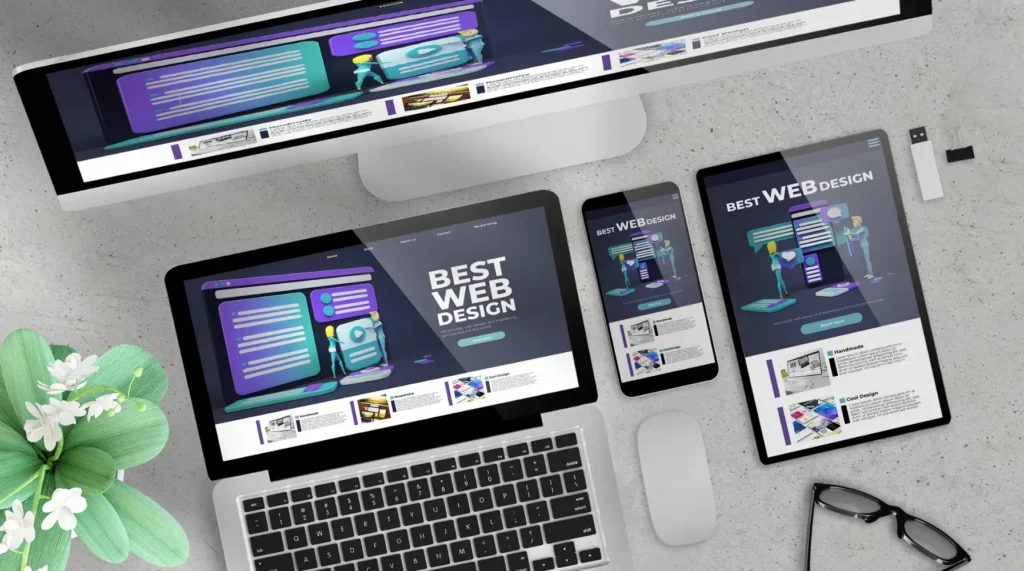
Most browsing now happens on mobile, so small-screen experiences matter. AI analyzes user behavior to suggest better layouts, menu structures and loading priorities. It also enables voice search, smart suggestions and interfaces that adapt to each user.
3. E-commerce Stores
Online stores use AI to recommend products, personalize offers, forecast inventory and answer shopper questions through chatbots. Paired with a clean, trustworthy design, these features make buying easier and help increase conversions.
4. Social Media Design
Social platforms rely on AI to decide what each user sees. Brands use AI tools to resize visuals for every platform, suggest captions and hashtags, find the best posting times and learn which creatives drive engagement.
5. Graphic Design and Branding
AI can produce logo concepts, color palettes, mockups and image variations quickly, which makes it ideal for brainstorming. You can try this yourself with our free logo maker and free brand kit generator. A professional designer is still essential to turn those ideas into a consistent, memorable brand identity.
6. Video and Motion Graphics
Automatic captions, background removal, smart editing and AI voice-overs cut production time dramatically. Businesses can now add promo videos, animated explainers and short social clips to their websites without huge budgets.
7. Email and Marketing Campaigns
AI helps write subject lines, segment audiences and send each email at the moment a reader is most likely to open it. Combined with responsive email templates, it improves open rates, clicks and conversions.
8. SEO and Content
Search engines use AI to understand the intent behind every search, which is why Google recommends helpful, people-first content. Helpful, well-structured content, fast loading pages and clear navigation now matter more than keyword stuffing. AI tools support keyword research and outlines, but human editing keeps content accurate, original and trustworthy. If you are new to this, our guide on what a digital marketing agency does for small businesses explains how SEO fits into the bigger picture.
9. Chatbots and Voice Interfaces
AI chat assistants answer common questions 24/7, book appointments and guide visitors to the right page. The best ones hand complex issues to a real person, so customers never feel stuck.
10. Accessibility and Print
AI generates image alt text, captions and accessible color contrasts, which makes websites usable for more people. In print, AI-assisted layouts and image enhancement keep brochures, banners and packaging consistent with your online brand.
Popular AI Tools for Web Design
You do not need to be a developer to benefit from AI. These widely used tools show how AI fits into everyday design work:
- AI writing assistants (such as ChatGPT or Claude): draft page copy, headlines, FAQs and blog outlines that a human then edits.
- Figma AI: speeds up wireframes, first-draft layouts and repetitive design tasks inside a professional design tool.
- Adobe Firefly: generates and edits images, extends backgrounds and creates variations for banners and visuals.
- Canva Magic Studio: quickly creates and resizes social media graphics, presentations and marketing visuals.
- AI website builders (such as Framer AI or Wix): generate a starter website from a short description, useful for quick prototypes.
- Free branding tools: create a color palette with our brand kit generator and logo ideas with our logo maker in seconds.
These tools are excellent for speed and ideas, but the strategy, brand consistency and final quality still depend on an experienced designer.
Benefits of AI-Powered Design for Your Business
- Faster turnaround on designs, revisions and campaigns.
- Smarter personalization that keeps visitors engaged longer.
- Data-driven decisions instead of assumptions.
- Consistent branding across web, social, video, email and print.
- Better accessibility and overall user experience.
- Lower costs by automating time-consuming tasks.
Limitations of AI in Design
AI is a powerful assistant, not a replacement for human creativity. Keep these points in mind:
- Generic results: AI output can look similar to everyone else’s without expert direction.
- Accuracy: AI can make factual or design mistakes that need human review.
- Privacy: personal data must be collected and used responsibly.
- Originality: strong brands need unique ideas, not copies of trends.
The best results with AI in web design come from experienced designers who use AI to speed up routine work while protecting originality, accuracy and user trust.
Work With a Web Design Team That Uses AI Wisely
At Renisence, we combine creative design expertise with modern AI tools to build websites and digital experiences that look stunning and perform on every screen. Whether you need a new website, a brand refresh or content for social media and email, we create work that is both smart and human.
👉 Explore our services, browse our portfolio, or contact us for a free consultation.
Frequently Asked Questions
How is AI used in daily life?
AI powers smartphones, navigation, streaming and shopping recommendations, smart homes, banking security, health trackers, and online customer support.
How is AI used in web design?
AI assists with layout ideas, copy, image creation, personalization, chatbots, SEO research, and testing, helping teams build better websites faster.
What are the best AI tools for web design?
Popular options include AI writing assistants for copy, Figma AI for layouts, Adobe Firefly for images, Canva Magic Studio for social graphics and AI website builders for quick prototypes. The best choice depends on the task.
Will AI replace web designers?
No. AI speeds up repetitive tasks, but creativity, brand strategy, and human understanding still drive great design.
Which mediums can benefit from AI-assisted design?
Websites, mobile apps, e-commerce, social media, graphics, video, email, chat interfaces, and even print all benefit when used thoughtfully.
Conclusion
From unlocking your phone to shopping online, AI is helping in our daily life in quiet but powerful ways, and it is changing how brands show up on every medium. Understanding how AI is helping in our daily life gives businesses a clear advantage: smarter, faster and more human digital experiences.
Ready to build a website that works as smart as your customers expect? Get in touch with Renisence today and let’s bring your vision to life.